Travel to Bergen

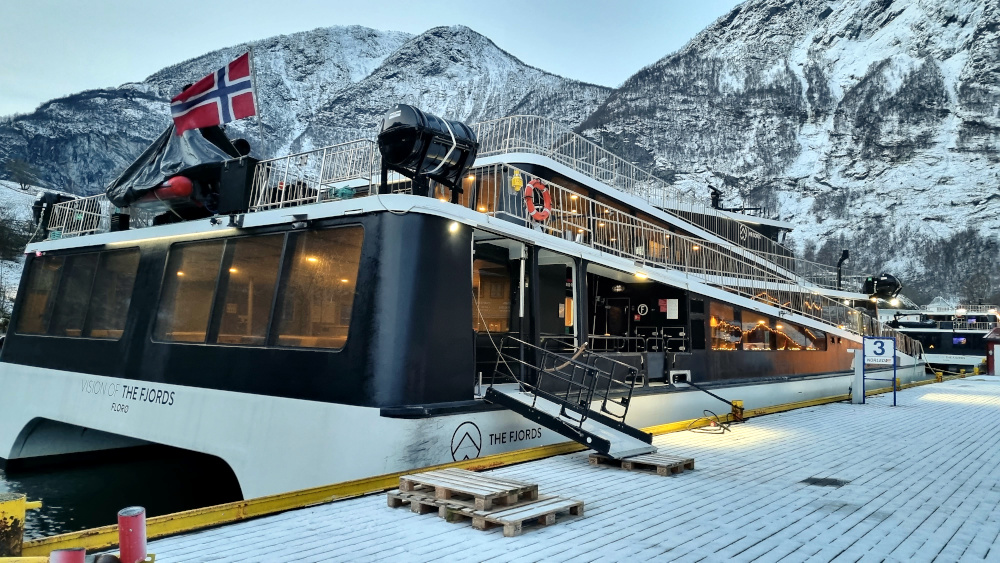
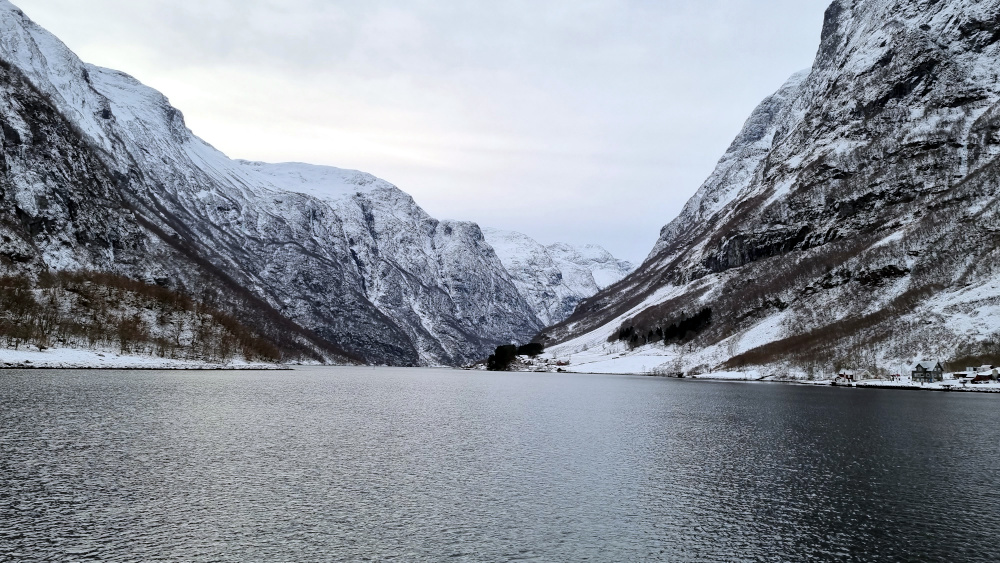
On Friday we left our hotel in Flåm and took a series of transports to our hotel in Bergen:
* Ferry to Gudvangen
* Bus to Voss
* Train to Dale
* Bus to Bergen
* Taxi from the station to our hotel, the Clarion Admiral

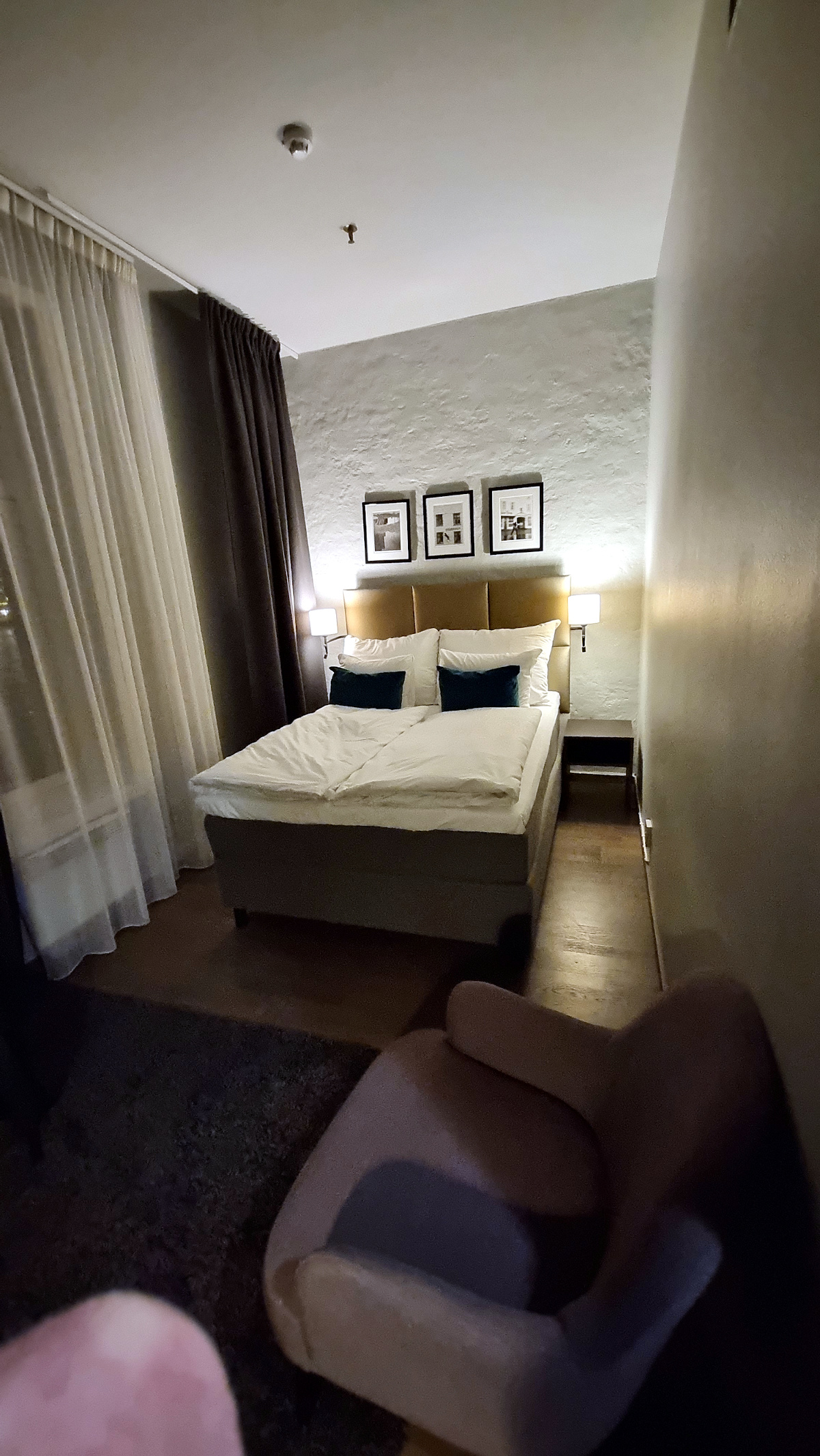
Our “superior” room at the hotel was quaintly small, with such gloomy lighting we have trouble finding things. For the first time, our “double bed” room actually had a double bed, as opposed to two single beds pushed together. It was a bit cosy.
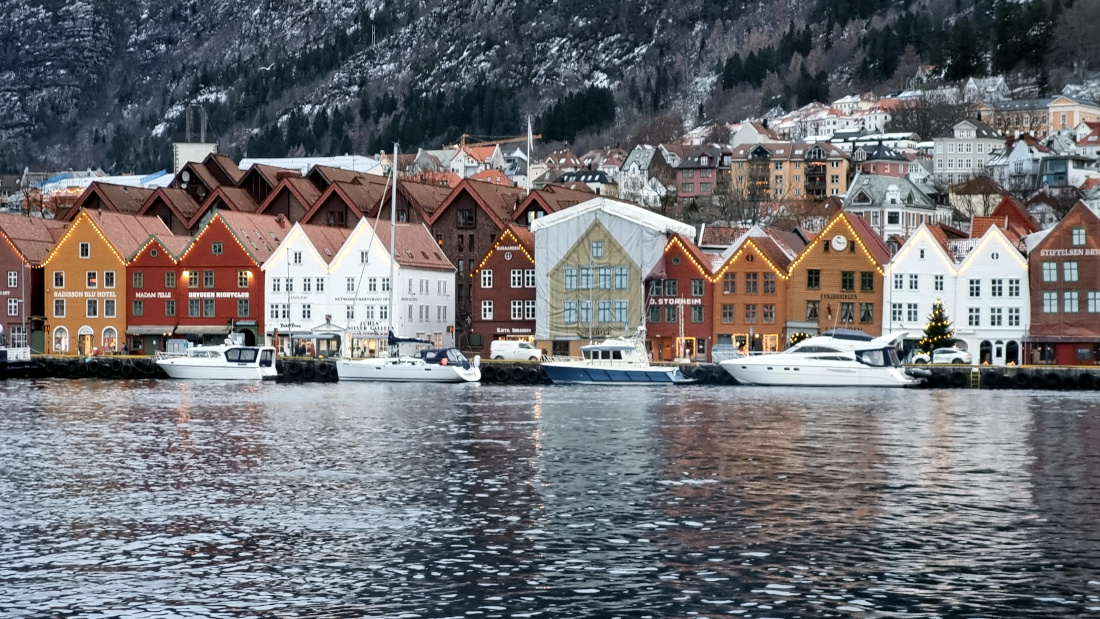
Across the water is a UNESCO world heritage site: Bryggen. It was formerly the trading centre of the town, where boats would offload, and load, cargo for trade. The buildings there were initially made of wood and the entire lot burnt to the ground a number of times, and also had the indignity of being almost blown to pieces when a ship carrying a large amount of dynamite exploded in the harbour.
According to our guide, at one point Bryggen was staffed exclusively by German males (between 1360 and 1754), Over 1000 men worked there, who were not allowed to “socialise” with the locals, particularly the local women. I’m inclined to doubt that that rule was strictly followed.
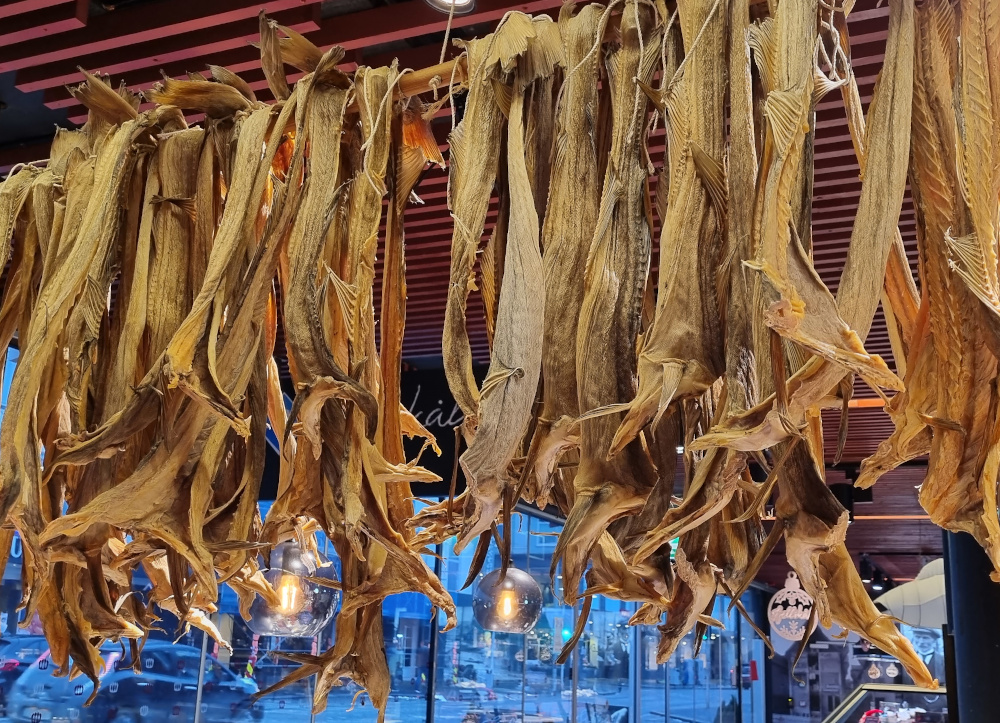
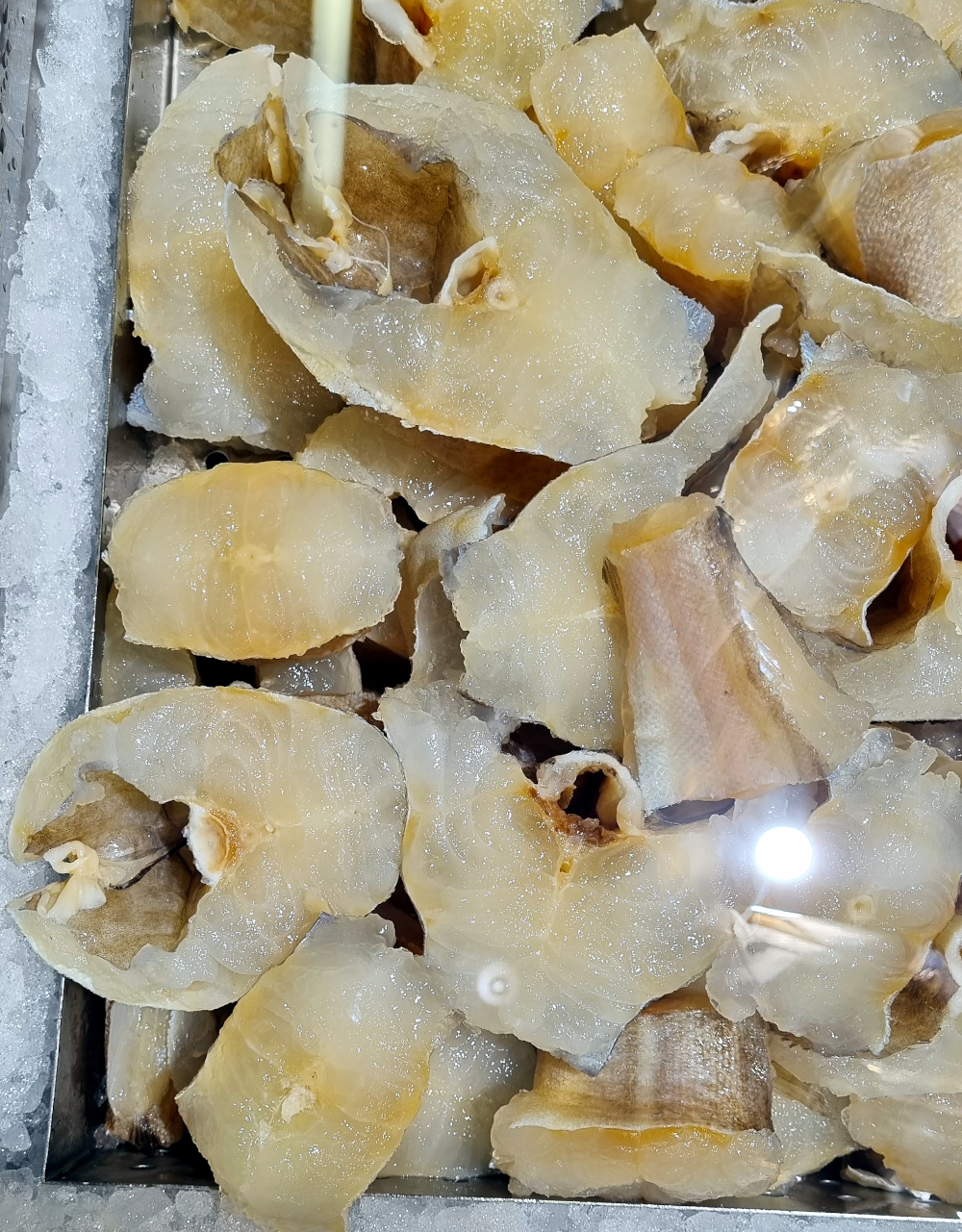
One of the major exports was dried cod. The cod was caught, beheaded, and then hung up to dry for a couple of months in the cold Norwegian air. After that time they would last for years. When you were ready to eat them you soaked them in water for a couple of days, which would plump them up and make them edible. There were a valuable food source in the days before refrigeration, and were very popular around Europe.
This is what they look like once reconstituted.
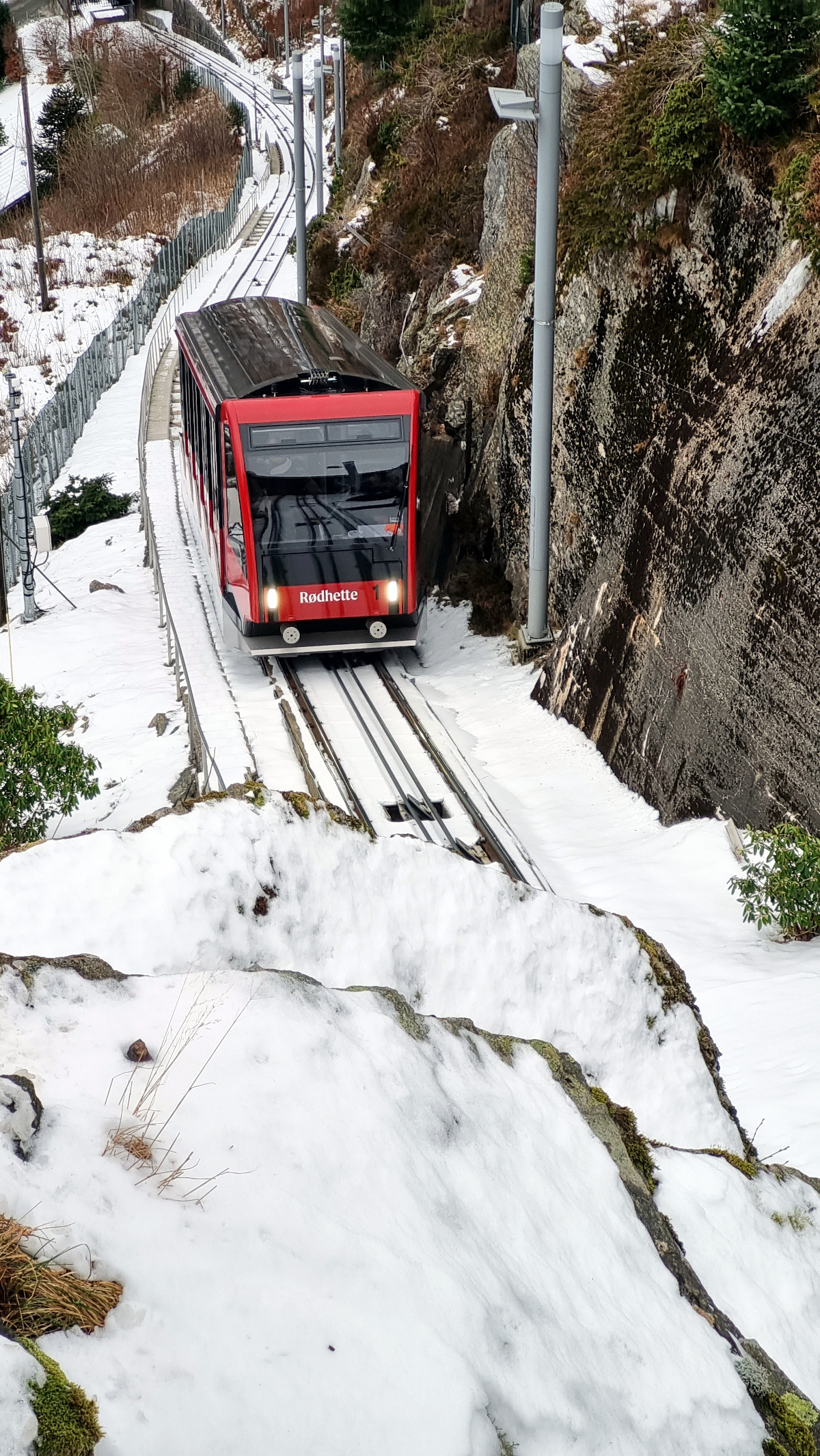
Today (Saturday) we took the funicular railway (Fløibanen). The Fløibanen funicular in Bergen is one of Norway’s best-known and most visited attractions. The journey up to Fløyen (320 m above sea level) takes about 5–8 minutes. See https://floyen.no/en/floibanen.
View of Bergen from the top of the Fløyen.

A scale model of Bergen as it used to be, with the cranes on the dock for lifting loads off the ship.
